Type Beat Shopping Guide for Hard VonOff1700 Style Chicago Drill Instrumentals
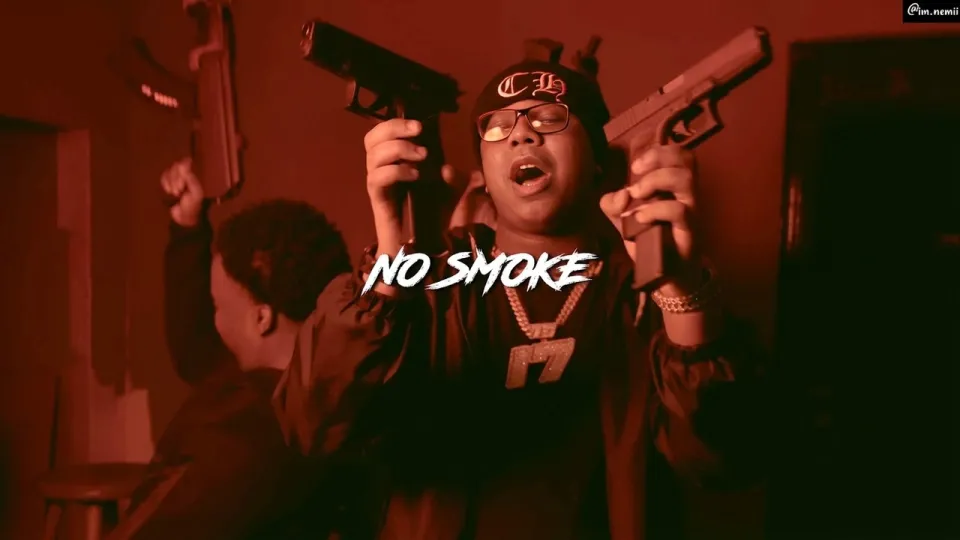
Video: [Hard] VonOff1700 Type Beat - “No Smoke” | Chicago Type Beat 2026
Want articles like this for your own video to promote it on YouTube and Google? Order them through the Telegram bot @sat_sit_bot. Articles with your video embedded are written and posted by the bot itself — on popular topical sites (no ads). Your first 50 articles are free.
· based on the channel Nemii
Key takeaways
- A VonOff1700 type beat is an original instrumental built in the dark, hard Chicago drill style associated with VonOff1700 and peers like Bloodhound Q50.
- Nemii's "No Smoke" is a Chicago drill type beat released in June 2026, and it is explicitly not a free beat for release.
- A lease for the untagged file costs money and includes a buy-two-get-one-free offer on the producer's BeatStars store.
- Tagged versions are for demos and freestyles only; releasing on streaming platforms requires a purchased license.
- Custom beats and exclusives are booked through Nemii's Instagram and email, and loops are not accepted by email.
A type beat is an original instrumental written in the style of a specific artist, sold to rappers who want that sound without sampling or clearing a real record. A VonOff1700 type beat, like Nemii's hard "No Smoke" Chicago drill instrumental, gives you the dark, aggressive drums and menacing melody of the Chicago scene in a file you can legally license through the producer's BeatStars page, where the licensing options are listed.
What a VonOff1700 type beat actually is and why rappers search for it
A VonOff1700 type beat is a producer-made instrumental that copies the sonic signature of Chicago drill as practiced by VonOff1700, Bloodhound Q50 and their camp, not a beat made by VonOff1700 himself. The search term exists because unsigned artists want a ready-made lane: a beat that already sounds like the records they study, so their vocals sit in a familiar pocket from the first bar.
The style itself is narrow and recognizable. Expect low, distorted 808s that carry the bassline rather than a separate sub, clipped and punchy kicks, fast triplet hi-hat rolls, and a minor-key melody loop, often a dark piano, bell or synth line, sitting behind the drums. Tempos usually land in the 130–150 BPM range, felt half-time so the rapper can ride it with dense, stop-start flows. The mood is cold and confrontational rather than melodic, which is why producers label these beats "hard" or "dark" instead of "smooth."
Because the term is a search query, not a genre, the results vary wildly in quality. A useful filter is whether the producer names the reference artists honestly, states the license terms up front, and offers an untagged file for sale. Nemii's "No Smoke" checks all three: it is tagged as a hard Chicago drill type beat in the style of VonOff1700 and Bloodhound Q50, and the description states plainly that it is not a free beat to rap on.
How to use a hard Chicago drill type beat from first listen to finished track
Start by matching your writing to the drum pattern rather than fighting it. Drill instrumentals leave little room for loose timing, so the practical workflow looks like this:
- Loop the beat and freestyle over it for ten minutes without writing anything down. Note where the 808 slides fall, because those are the natural spots for punchlines and ad-libs.
- Map the structure: count how many bars the intro, verse and hook sections run. Most drill type beats use 8-bar or 16-bar blocks with a drop after the first hook.
- Write to the hook first. If the chorus does not land on the melody, the verses will not save it.
- Record a reference vocal over the tagged file, then switch to the untagged version once you have purchased a license, so no producer tag bleeds into the master.
- Mix the vocal forward. Drill 808s are loud by design; a high-pass on the vocal and a gentle sidechain to the kick keeps the words intelligible.
Licensing a VonOff1700 type beat: what you pay for and what you get
The tagged stream is a demo; the untagged file and the rights to release it are the product. On Nemii's store, the licensing page is the entry point for the basic terms, while the untagged high-quality file and the buy-two-get-one-free bundle is where most working rappers actually buy. The description is explicit that the beat is not free to release on digital platforms, so uploading a tagged or unlicensed version to Spotify, Apple Music or YouTube Content ID is a claim waiting to happen.
Lease terms in this market typically differ by tier: a basic lease caps streams and prohibits monetized video, a premium lease raises the cap and allows one music video, and an exclusive transfer removes the beat from the store entirely. Read the actual contract on the product page rather than assuming, and keep the receipt, because distributors ask for proof of license when a beat gets flagged.
Free downloads exist in this niche, but they are almost always tagged, non-profit, or both. If a producer advertises a free VonOff1700 type beat, check whether the tag is baked into the file and whether the terms allow streaming. A free file that cannot be released is a writing tool, not a single.
Typical questions from rappers before they buy a drill instrumental
The recurring doubts around type beats are practical, and they come up in almost every comment section under a hard Chicago drill upload. Here is how to resolve them before spending money.
- Is my own track going to sound generic if the beat is a type beat? Only if the writing is generic. The instrumental is a canvas; flows, ad-lib placement and subject matter are what separate two songs on the same style of beat.
- Can I get a custom beat in this style? Yes. Nemii takes custom and exclusive requests through Instagram and email, and the description notes that loops should not be sent by email.
- What if I only have lyrics and no recording setup? Record a phone reference first, then book studio time once the arrangement is locked. Paying hourly to write is the expensive way to do it.
- How do I know the beat is hard enough? Listen on phone speakers, then in a car. Drill lives in the low mids; if the 808 disappears on a phone, the mix will not translate.
The comments under these uploads also show the other side of the market: listeners writing full verses in the replies, asking how their own music sounds, and testing whether the beat carries a hook. That is free market research. If a stranger types eight bars under an instrumental, the beat has a pocket worth using.
Where to find more hard Chicago drill type beats and reference artists
Build a shortlist of producers who consistently deliver the VonOff1700 and Bloodhound Q50 lane, then follow them rather than searching from scratch every session. Nemii's full catalog and beat store sit at nemiiofficial.com, and the Instagram account @im.nemii posts coupon codes and new drops, which matters because lease discounts change the math on a three-beat bundle.
For reference listening, study the records the style is named after: VonOff1700's own catalog, Bloodhound Q50, and adjacent Chicago names such as Lil Speedy, Screwly G and Rell Vert. Listen for how little melodic information those records actually contain, and how much weight the 808 pattern carries. Producers in this lane also cross over with Philly drill and with the Bloodhound Lil Jeff sound, so searching those terms widens the pool without leaving the aesthetic.
A practical habit: keep a folder of five to ten licensed instrumentals in the same tempo range. When inspiration hits, you record instead of shopping, and your releases stay consistent in energy across a project.
Final word on picking a type beat in the VonOff1700 lane
A hard VonOff1700 type beat is a shortcut to a specific, proven sound, and the only real decisions are which instrumental fits your voice and which license fits your release plan. Nemii's "No Smoke" is a clean example of the format: dark Chicago drill drums, an honest reference to VonOff1700 and Bloodhound Q50, and a clear line between the tagged demo and the paid untagged file. Start with the licensing page for the beat, confirm the terms, then write the hook before you spend a cent on studio time. The video breakdown on the Nemii channel shows exactly how the instrumental is built and where it sits in the current Chicago drill landscape.
Questions & answers
Is a VonOff1700 type beat free to use?
No. A type beat is a copyrighted instrumental owned by its producer, so releasing a song on it requires a purchased license, usually a lease or an exclusive. Free downloads in this niche are typically tagged and restricted to non-profit use, which means they work for practice and demos but not for streaming releases.
How much does a Chicago drill type beat lease usually cost?
Leases in this market generally run from about $20 to $100 depending on the tier, with basic leases capping streams and premium leases allowing a music video or higher distribution limits. Bundle offers, such as buy-two-get-one-free, lower the per-beat price if you are building a project.
Can I sound original if I rap over a type beat?
Yes, because the beat only sets the sonic template. Your flow, cadence, ad-lib choices, song structure and subject matter are what make the record yours, and two artists on the same instrumental style can sound completely different.
How do I get a custom beat in the VonOff1700 style?
Contact the producer directly with a reference track and a tempo or mood description. Nemii handles custom and exclusive requests through Instagram and email, and the store notes that loops should not be sent by email, so keep the brief short and reference-based.
Source: [Hard] VonOff1700 Type Beat - “No Smoke” | Chicago Type Beat 2026 · Markdown version